The evolution of Corporate Environmental Responsibility (CER) in 2026

iAmpact
Dec 19, 2025
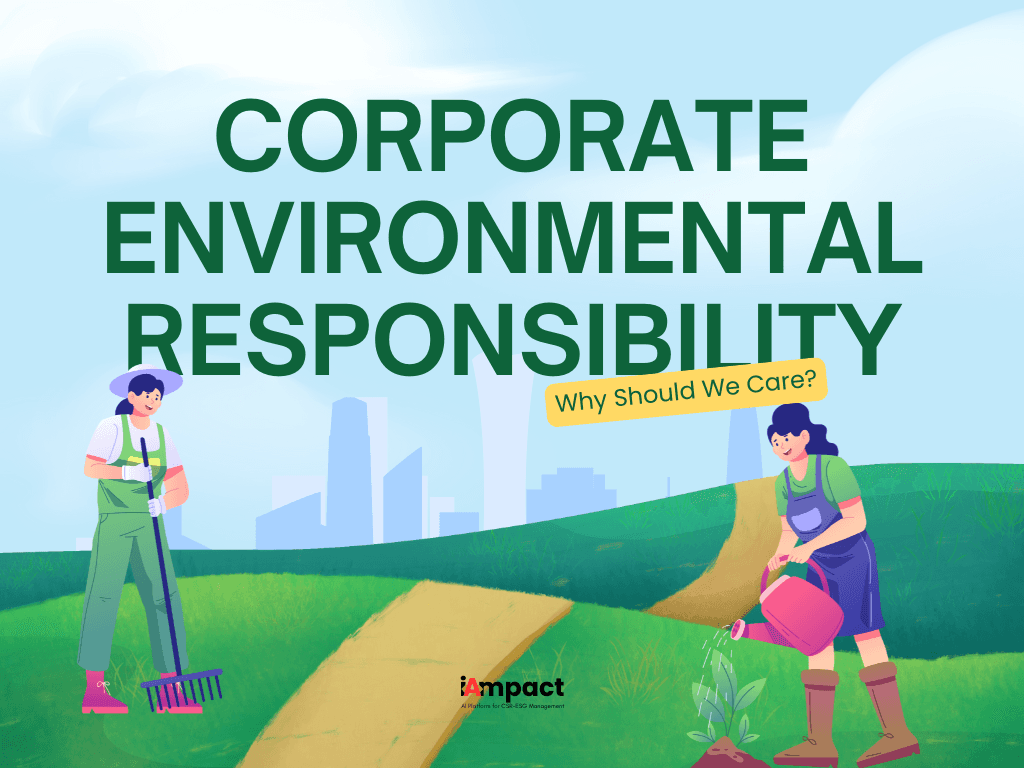
In 2026, corporates are expanding their CSR approach to Corporate Environmental Responsibility (CER), with stronger focus on climate action, resource efficiency, carbon reduction, and environmental outcomes. This shift reflects growing regulatory, investor, and societal expectations for measurable environmental impact alongside social development.
Why CSR Is Evolving into CER
CSR in India has traditionally focused on social development—education, health, livelihoods, and sanitation. However, as climate risks intensify and environmental degradation directly impacts communities, corporates are now integrating environmental responsibility as a strategic priority, not just a CSR theme.
This transition marks the rise of Corporate Environmental Responsibility (CER).
What Is Corporate Environmental Responsibility (CER)?
CER refers to structured, outcome-driven corporate actions that reduce environmental harm and restore natural ecosystems, going beyond compliance or philanthropy.
It includes:
Climate mitigation and adaptation
Carbon footprint reduction
Water stewardship
Biodiversity conservation
Circular economy initiatives
Unlike traditional CSR, CER is deeply linked to core business operations and ESG strategy.
Why the Shift from CSR to CER Is Accelerating in 2026
1. Climate Risk Is Now Business Risk
Extreme weather events affect:
Supply chains
Worker health
Community resilience
Corporates are realising that social development without environmental protection is unsustainable.
2. Stronger ESG and BRSR Expectations
Environmental indicators now dominate:
Investor disclosures
BRSR reporting
Sustainability ratings
CSR activities are increasingly expected to contribute to measurable environmental outcomes.
3. Regulatory and Policy Signals
Government focus on:
Net-zero targets
Renewable energy
Water conservation
Waste management
has nudged corporates to embed environment-centric programmes within CSR.
How CSR Is Evolving into CER on the Ground
From tree plantation → ecosystem restoration
Survival rate, biodiversity, carbon sequestration now matter.
From water infrastructure → water stewardship
Focus on aquifer recharge, water efficiency, and community governance.
From waste drives → circular economy
Recycling, reuse, and material recovery replace one-time clean-ups.
Examples of CER in Action
Manufacturing company funds watershed projects to protect water security for both factories and villages.
IT firm supports urban forestry tied to heat-mitigation outcomes.
Consumer brand invests in plastic recovery linked to supply chain sustainability.
These interventions deliver environmental, social, and business value simultaneously.
How Technology Is Enabling CER
Environmental responsibility requires precision.
AI-enabled platforms help:
Track environmental outcomes
Monitor carbon and water metrics
Verify on-ground implementation
Integrate CER data with ESG and BRSR reporting
This ensures credibility and scalability.
Role of iAmpact in the CSR to CER Transition
iAmpact supports the shift by enabling:
Environmental project monitoring
Outcome-based impact tracking
Data-backed reporting
Integration of social and environmental metrics
Helping corporates move from activity-based CSR to impact-driven CER.
What This Shift Means for CSR Leaders
CSR leaders in 2026 must:
Design climate-resilient programmes
Measure environmental outcomes, not just outputs
Align CSR, ESG, and sustainability teams
Build long-term environmental partnerships
FAQs
1. Is CER replacing CSR?
No. CER complements CSR by strengthening its environmental dimension.
2. Is environmental work allowed under CSR in India?
Yes. Environmental sustainability is a recognised CSR focus area.
3. How is CER linked to ESG?
CER directly strengthens the Environmental pillar of ESG.
4. Can CSR funds be used for climate action?
Yes, when aligned with Schedule VII and approved programmes.
5. Why is CER important for corporates?
It reduces long-term risk, improves resilience, and builds stakeholder trust.
Corporate Environmental Responsibility, CER 2026, CSR to CER shift, environmental CSR India, climate responsibility corporates, ESG environment pillar
What Has Kept the Social Sector Away from AI in India?
Why Do CSR Funds and Foundations Need All-in-One CSR Software in 2026?

What is SROI and How to Calculate it? (Steps, Formula and Examples)
CSR Trends and New Updates in 2026: What Corporates Must Prepare For
How Are CSR Foundations Monitoring and Evaluating Projects Using AI?
The evolution of Corporate Environmental Responsibility (CER) in 2026
Benefits of Impact Assessment Using Artificial Intelligence (AI)